Technical SEO
Technical SEO: Complete Guide to Better Crawling

Admin
·4 min read
Want to know if your site has this issue? Run a free technical SEO audit and get results in minutes.
Run a Free SEO Audit →Key Takeaways
Technical SEO is the foundation that allows search engines to access, interpret, and rank your website. Without strong technical optimization, even the best content and backlink strategies may struggle to perform.
Technical SEO focuses on improving how search engines crawl, index, and interpret your website. This includes site structure, page speed, structured data, Core Web Vitals, and many other technical signals that help Google understand your site.
For SEO professionals, marketing managers, and business owners, mastering technical SEO ensures that your website is accessible, fast, and optimized for search visibility.
In this guide, we will explore the most important technical SEO factors and how they influence your website's performance.
Crawlability refers to a search engine’s ability to discover and navigate your website pages.
Search engines use bots (also known as crawlers or spiders) to scan websites and collect information about their content. If these bots cannot access your pages, those pages may never appear in search results.
Crawlability is influenced by:
Website structure
Internal linking
Robots.txt directives
XML sitemaps
Server response codes
When these elements are properly configured, search engines can efficiently explore your entire website.
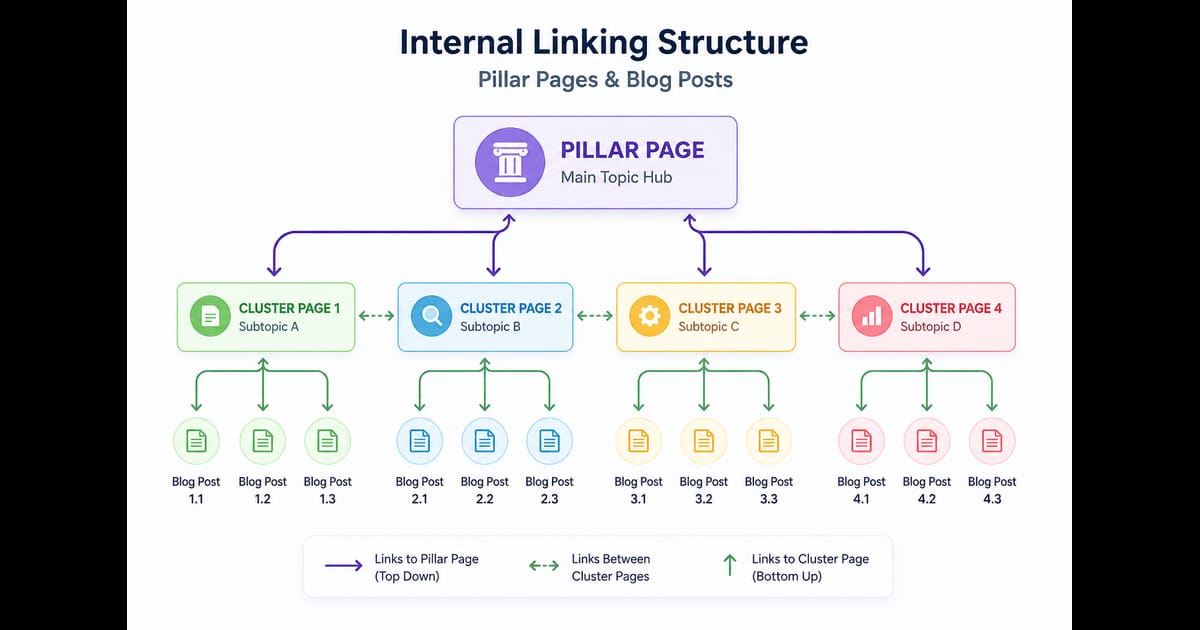
Internal links help search engines understand how pages relate to each other.
A strong internal linking structure distributes authority throughout your site and ensures important pages receive sufficient crawl attention.
Best practices include:
Linking important pages from the homepage
Using descriptive anchor text
Avoiding orphan pages
Creating logical content clusters
Example image suggestion:
XML sitemaps act as a roadmap for search engines, listing important pages that should be crawled and indexed.
They help search engines discover:
Newly published pages
Updated content
Deep pages within large websites
You can submit your sitemap through Google Search Console using documentation from Google.
External reference:
Google Search Central documentation explains sitemap best practices:
https://developers.google.com/search/docs/crawling-indexing/sitemaps
Once search engines crawl your pages, they store the information in a massive database known as the index.
Indexing determines whether your content can appear in search results.
Common indexing issues include:
Noindex tags
Canonical conflicts
Duplicate content
Poor site structure
Regular technical audits help identify and fix these problems quickly.
Canonical tags tell search engines which version of a page is the preferred version.
This is especially important for e-commerce stores, blogs, and websites with multiple URLs containing similar content.
For example:
example.com/product
example.com/product?ref=promo
Without canonical tags, search engines may treat these as separate pages and dilute ranking signals.
Duplicate content confuses search engines and can weaken your ranking potential.
Common causes include:
URL parameters
Session IDs
Print versions of pages
HTTP vs HTTPS duplication
Technical SEO fixes include canonical tags, redirects, and parameter handling.
For more technical details, Google provides guidance here:
https://developers.google.com/search/docs/advanced/guidelines/duplicate-content
Site speed is a direct ranking factor and a critical user experience metric.
Slow websites increase bounce rates, reduce engagement, and negatively affect conversions.
Technical SEO improvements that boost site speed include:
Image compression
Browser caching
Code minification
CDN usage
Example image suggestion:
Before-and-after PageSpeed Insights score comparison screenshot.
Core Web Vitals are performance metrics used by Google to measure user experience.
They include:
Largest Contentful Paint (LCP) – loading performance
Interaction to Next Paint (INP) – responsiveness
Cumulative Layout Shift (CLS) – visual stability
These metrics are essential components of Google’s page experience signals.
Google explains these metrics in detail here:
https://web.dev/vitals/
Improving these metrics can significantly improve both rankings and user satisfaction.
Your hosting infrastructure plays a major role in technical SEO performance.
High-quality hosting ensures:
Faster server response times
Reduced downtime
Improved crawl efficiency
Using a reliable CDN and optimized hosting environment dramatically improves site performance.
Structured data helps search engines understand the meaning of your content.
It uses schema markup to provide context about:
Articles
Products
Reviews
Organizations
Events
This additional information helps search engines display rich results.
Example rich results include:
Star ratings
FAQ dropdowns
Product pricing
Breadcrumb navigation
Schema markup is typically implemented using JSON-LD format.
For example, article schema helps Google understand:
Author
Publish date
Headline
Description
Reference tool:
https://search.google.com/test/rich-results
Structured data can unlock enhanced search features known as rich snippets.
These enhanced listings improve:
Click-through rates
Search visibility
User trust
Examples include FAQ snippets, product ratings, and event listings.
Technical problems often remain invisible without a detailed audit.
Issues may include:
Broken links
Redirect chains
orphan pages
crawl errors
indexing conflicts
Regular audits help maintain optimal search performance.
You can perform a comprehensive analysis using tools like:
Internal link suggestion:
https://seoreporty.com/seo-audit
Websites constantly evolve as new content, plugins, and updates are added.
This makes ongoing monitoring essential.
Technical audits help track:
crawl errors
site speed changes
indexing coverage
Core Web Vitals performance
Internal link suggestion:
https://seoreporty.com/features/
Beyond fixing issues, technical SEO audits reveal opportunities to improve search performance.
Examples include:
improving internal linking
fixing thin pages
optimizing structured data
enhancing page performance
For deeper SEO insights and strategies, explore more resources on:
Internal link suggestion:
https://seoreporty.com/blog/
See exactly how this affects your site — our audit surfaces issues like these in minutes.
Check your site for this issue →Final Thoughts
Technical SEO is often overlooked, yet it forms the backbone of every successful search strategy. Without strong crawlability, efficient indexing, and optimized performance signals, even high-quality content may struggle to rank. By improving site speed, implementing structured data, and regularly auditing your website, you create an environment where search engines can easily understand and prioritize your content. Businesses that invest in technical SEO early gain a long-term competitive advantage in search visibility and organic traffic growth.
FAQ
Related posts
More articles in the same topic cluster to help you go deeper.
Free tool
Get a full technical, performance, and AI SEO audit — prioritized and ready to act on. No credit card required.